
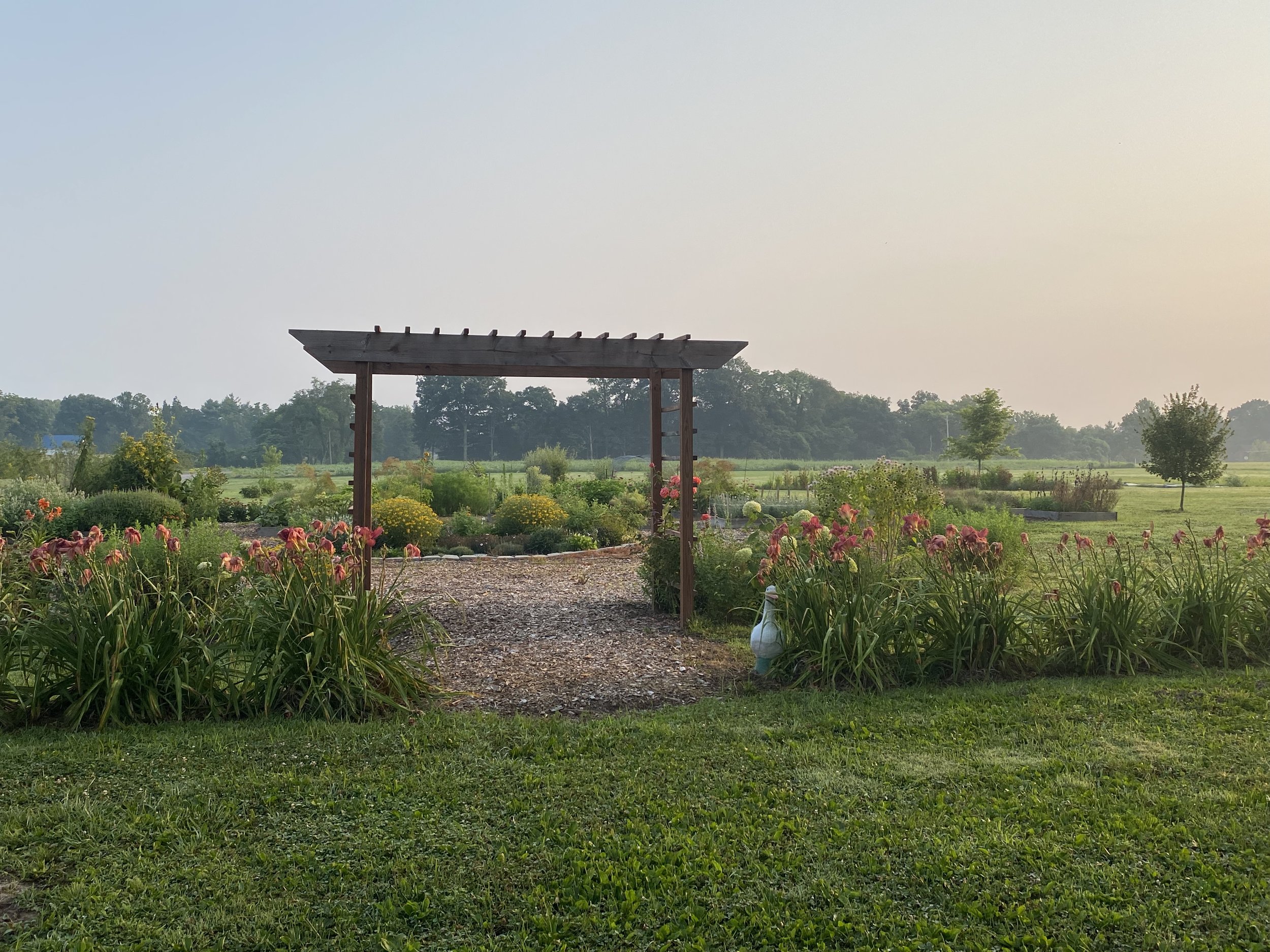
Cultivating Beauty, Serenity, & Wellness

Hello, and welcome to our little slice of heaven, Elysian Sanctuary Farm. We are located on the west side of Belleville, IL, a few miles outside of Millstadt.
Our Farm
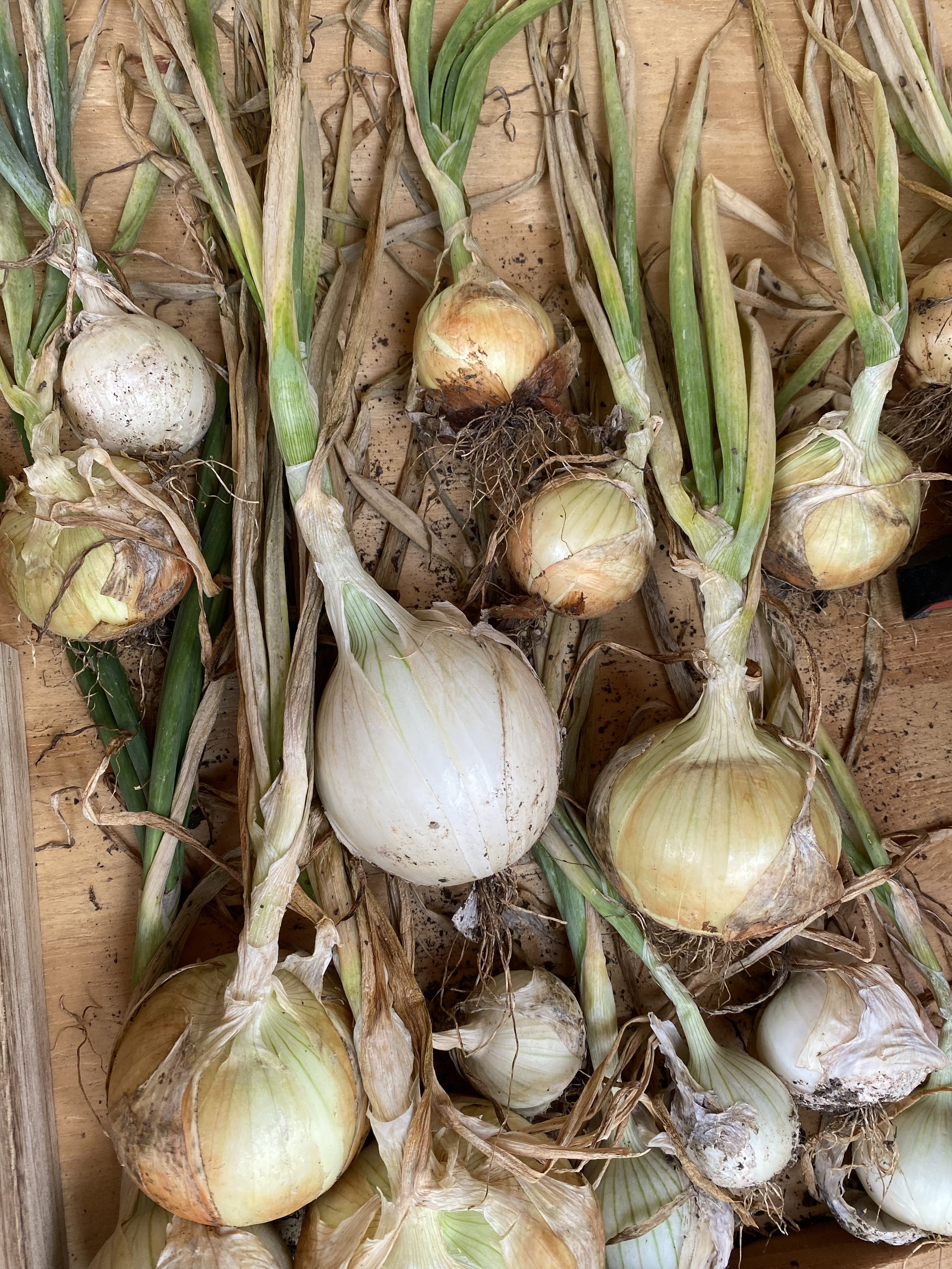
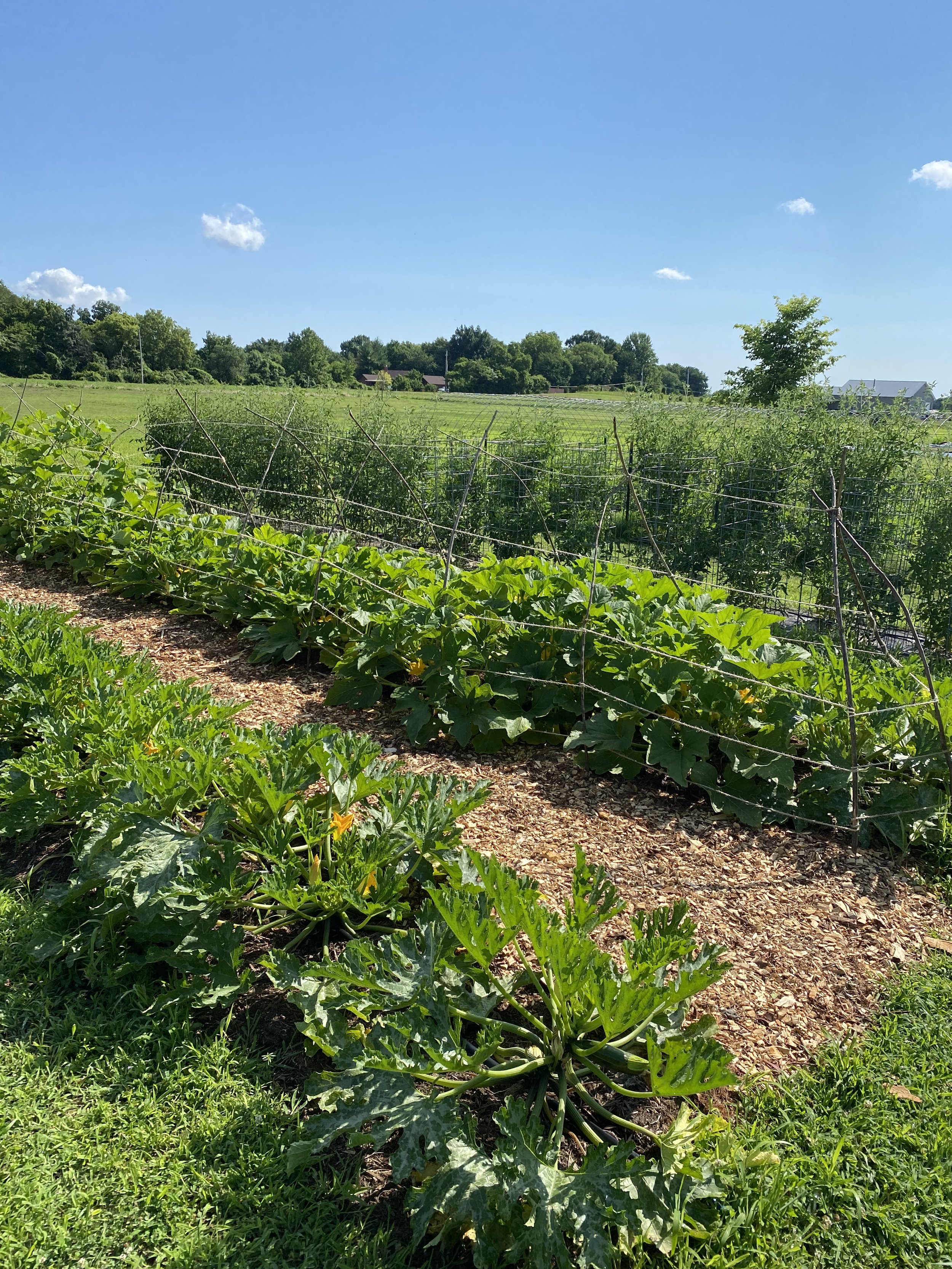
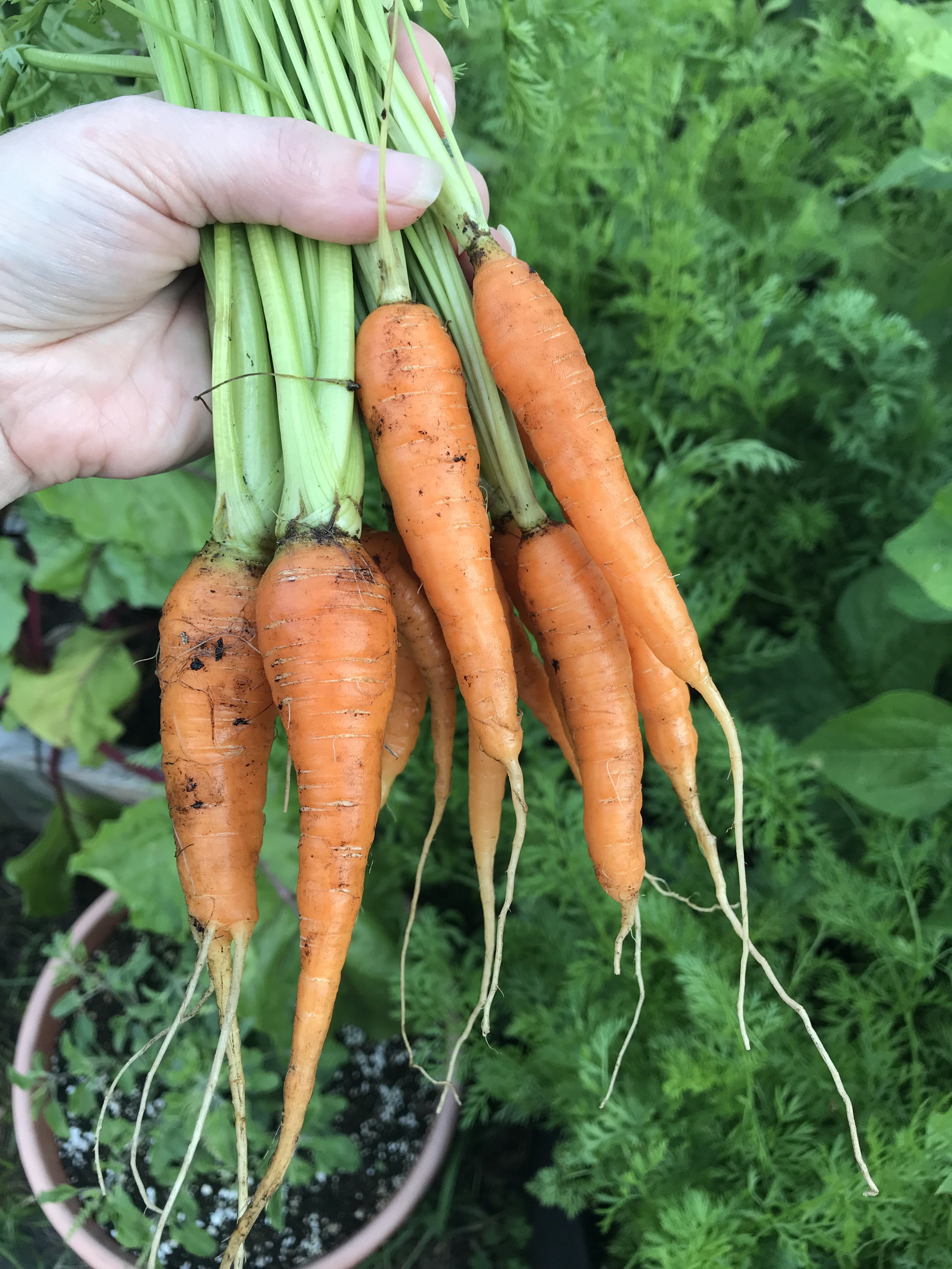
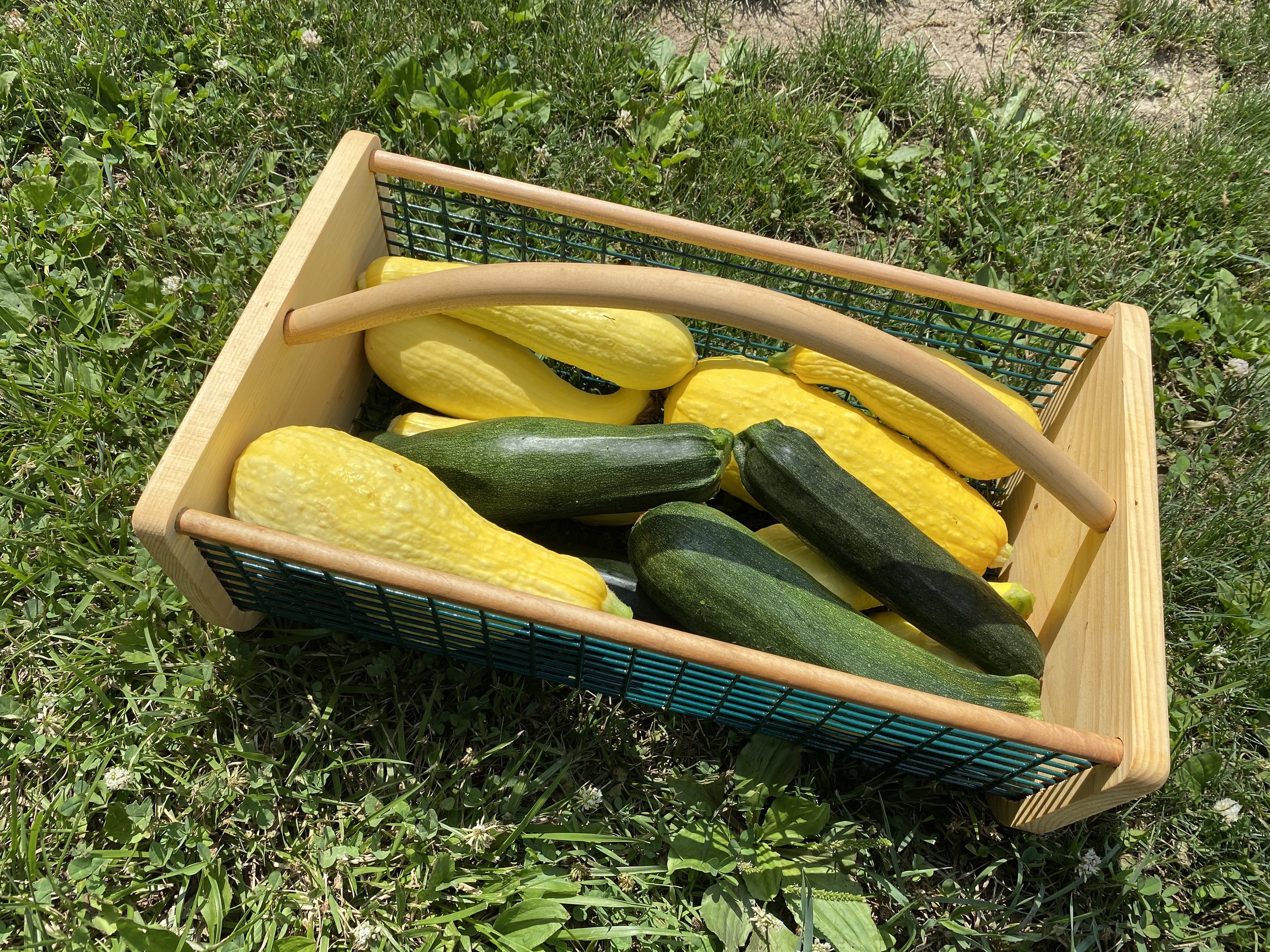
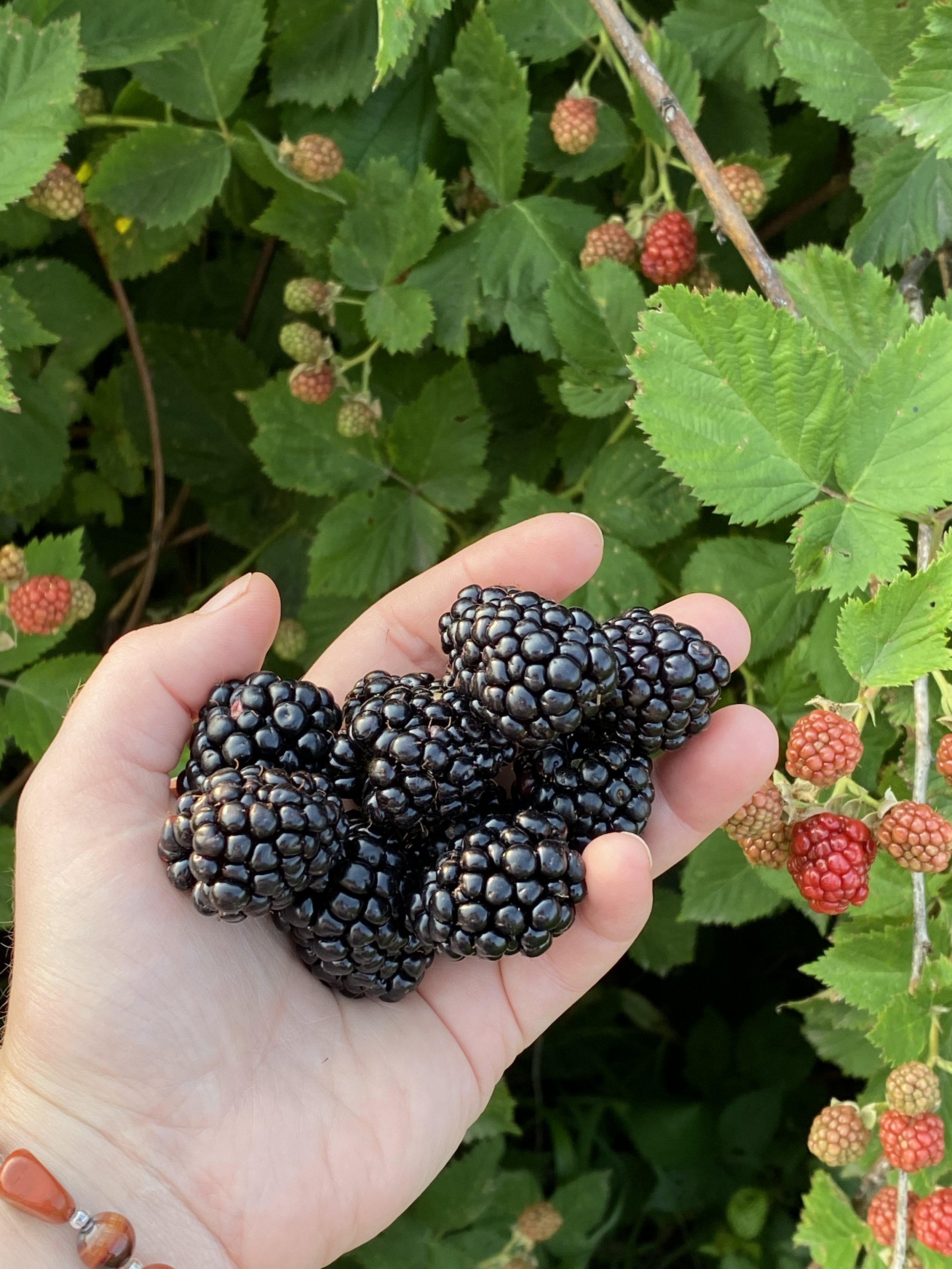
Elysian Sanctuary Farm is a small-scale, family-run farm rooted in seasonal growing, ecological awareness, and plant-based wellness. We cultivate a diverse range of produce, including seasonal vegetables such as leafy greens, tomatoes, squash, peppers, cucumbers, root vegetables, green beans, and berries, including blackberries and other small fruits.
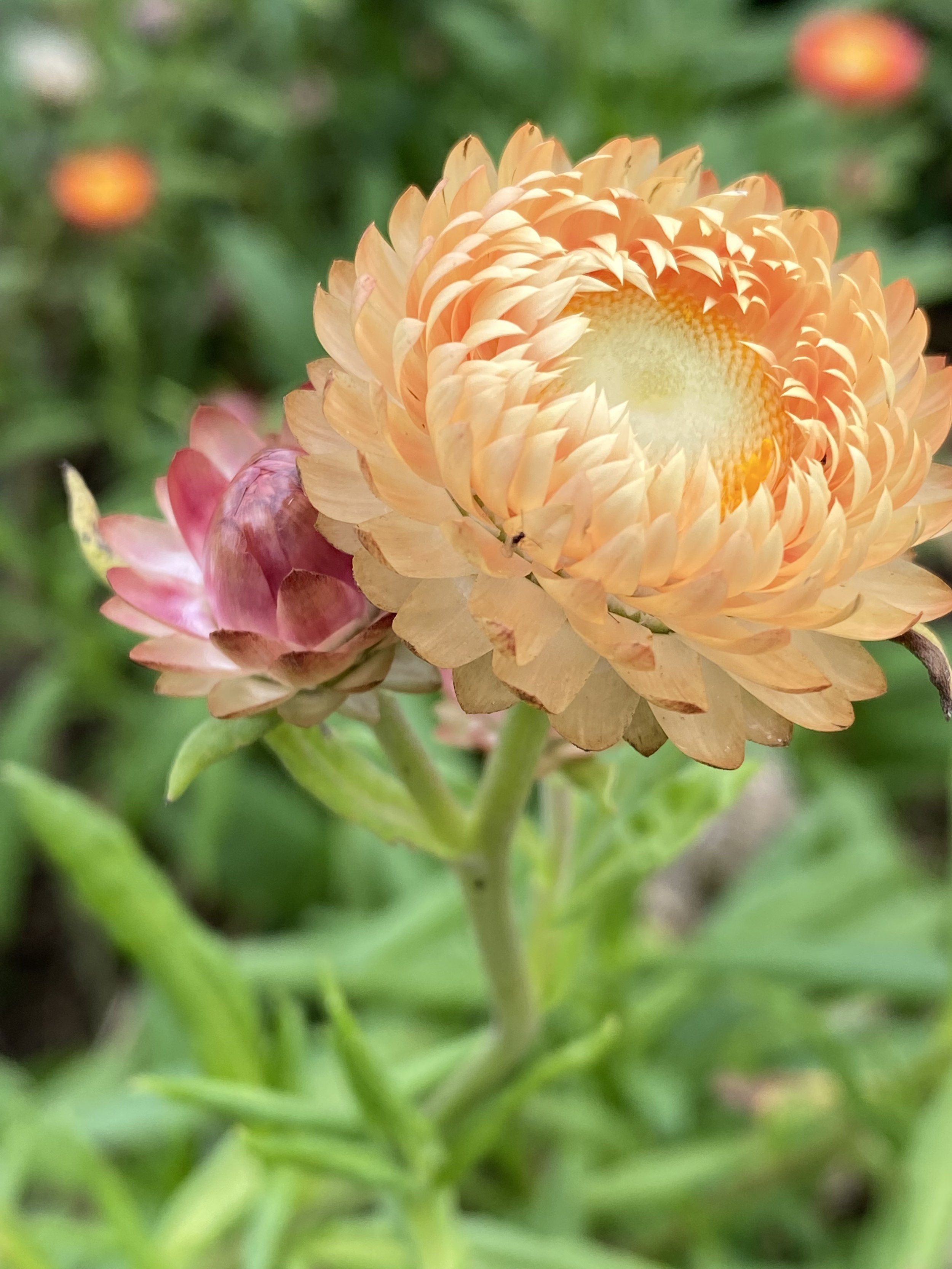
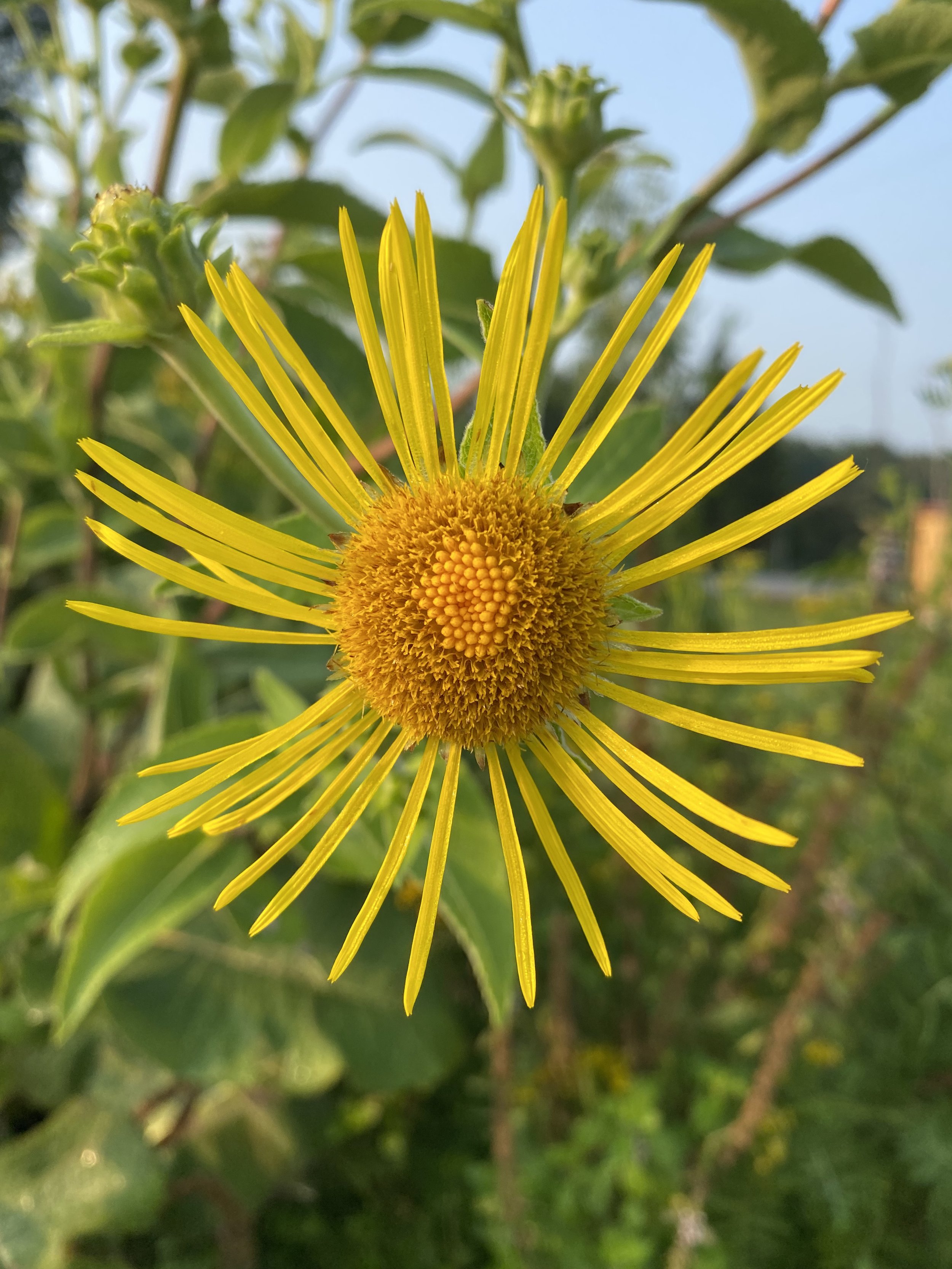
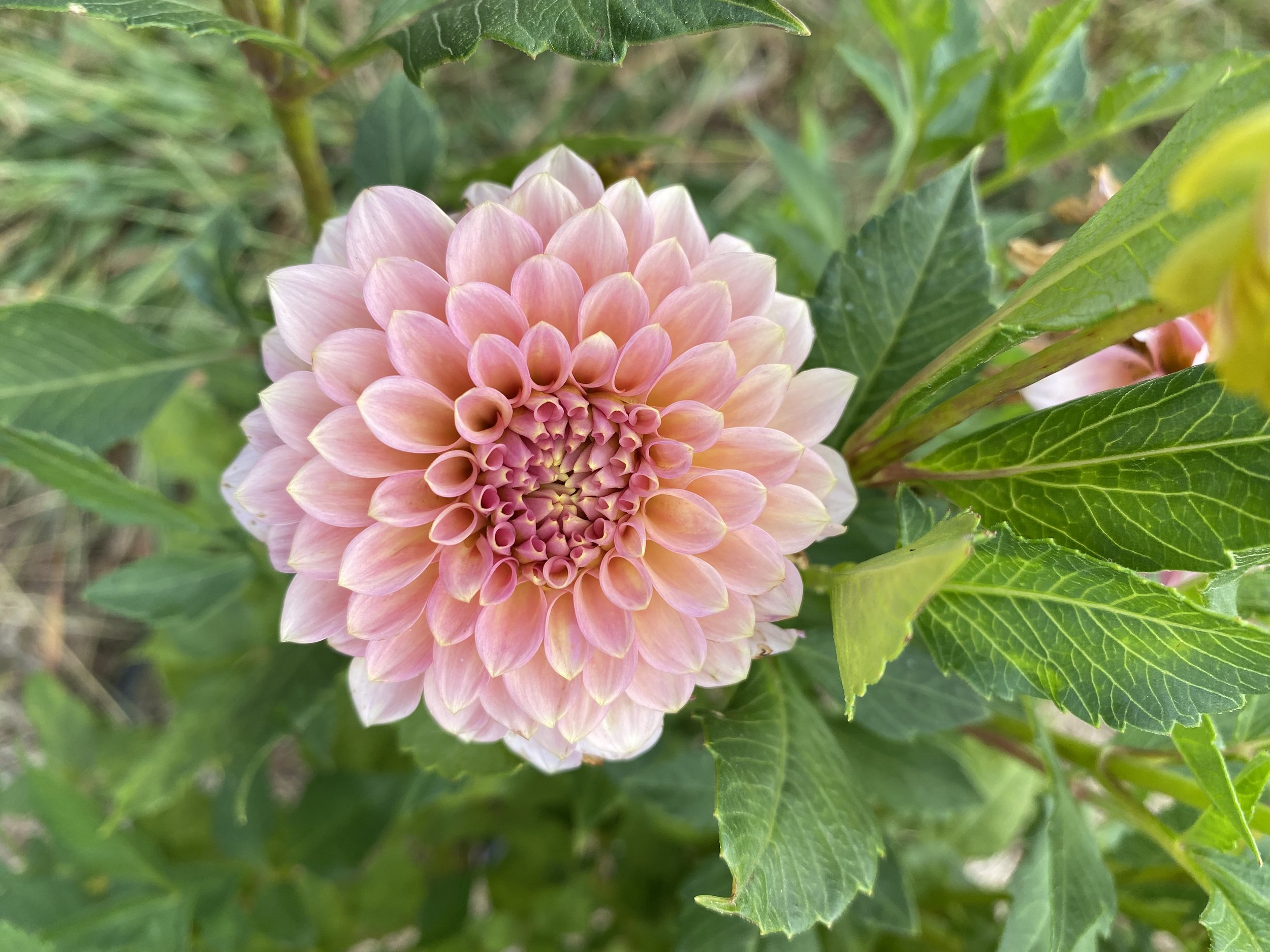
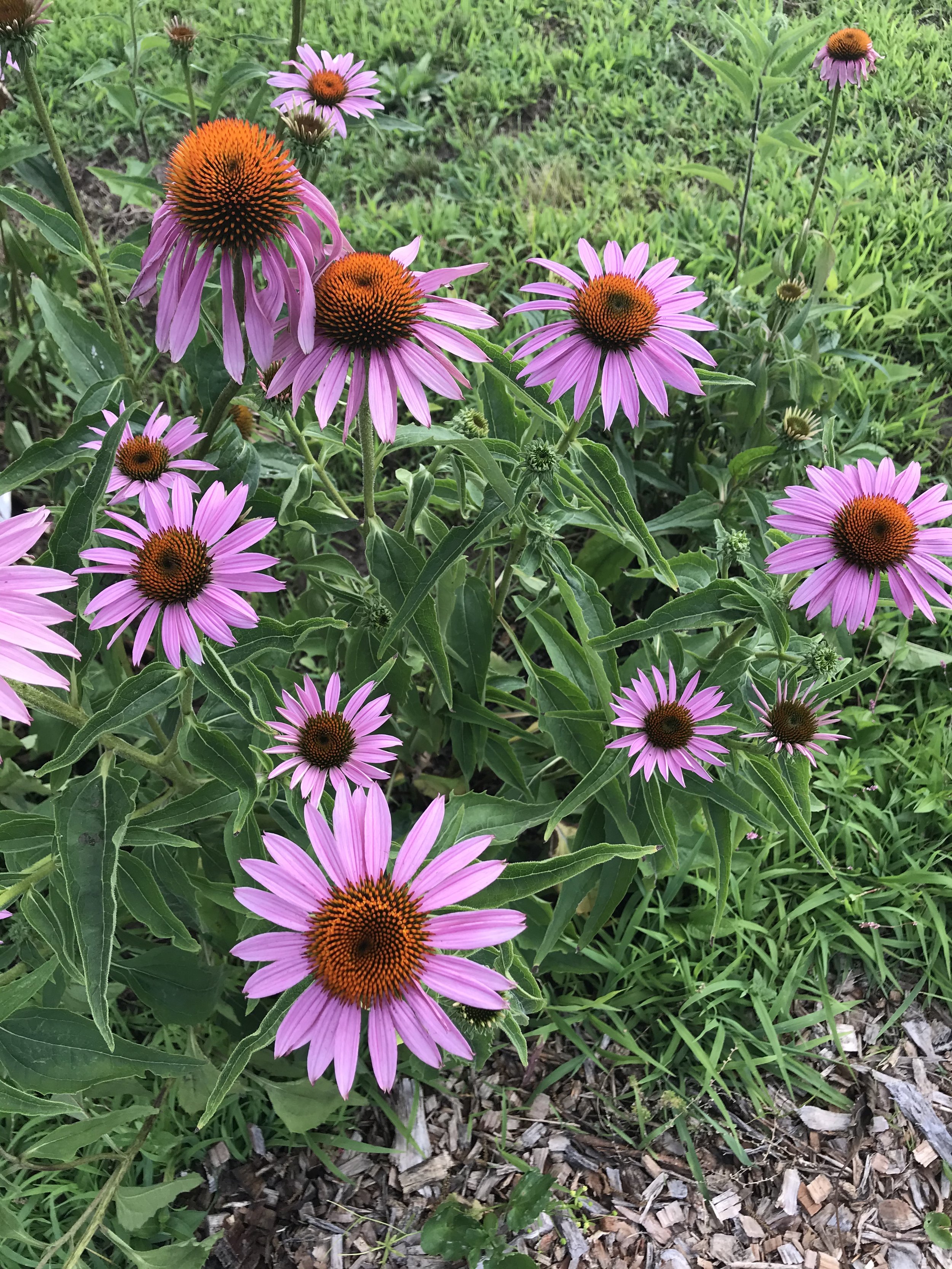
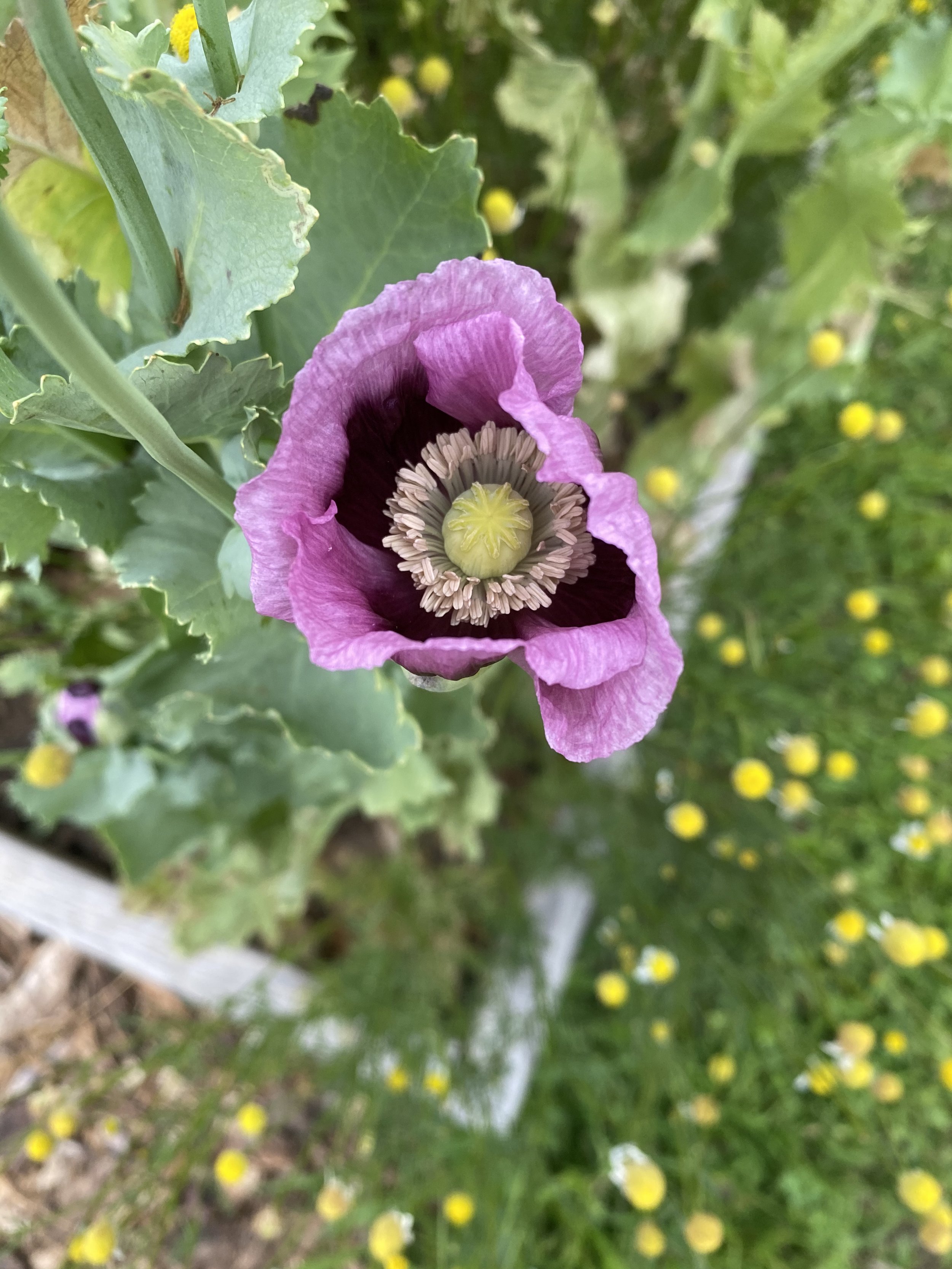
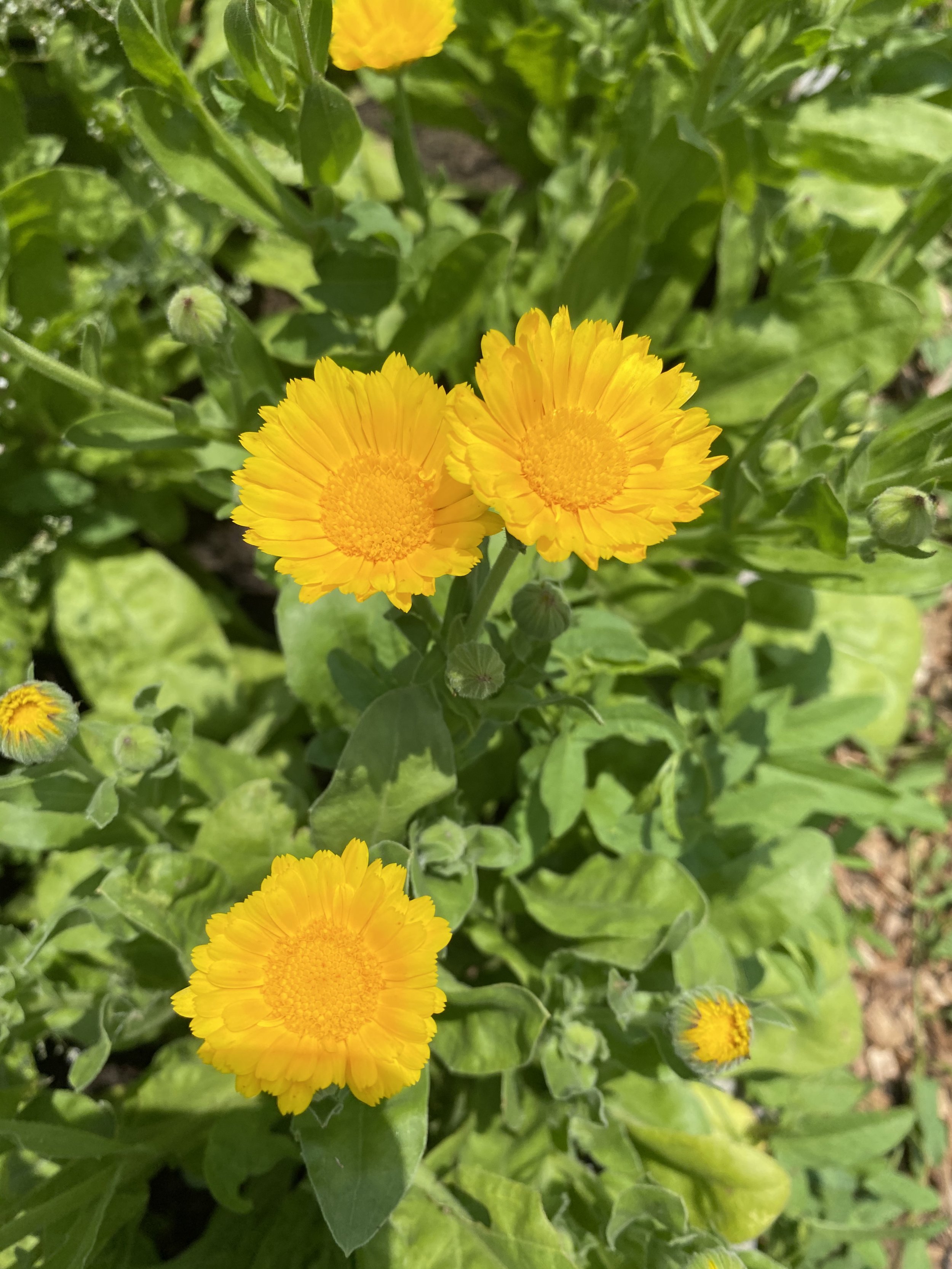
In addition to food crops, we grow a variety of annual and perennial culinary and medicinal herbs, native plants, and cut flowers. These plantings are intentionally selected to support both ecological diversity and therapeutic use.
Herbalism is an integral part of our farm practice. Many of the herbs grown here are harvested and used in handcrafted herbal products and wellness preparations. This process connects cultivation directly with formulation, allowing the plants we grow to move through a full cycle of tending, harvesting, and preparation.
Alongside this work, we offer educational opportunities and workshops that share the principles and practices of herbalism, including plant identification, herbal energetics, and product formulation.

We value organic practices.
At Elysian Sanctuary Farm we are mindful about our gardening practices, and we take care to cultivate our produce using organic methods.
What We Grow & Offer

Following the natural rhythms of the seasons, we offer fresh, seasonal vegetables and fruits through our on-site farm stand. Our produce reflects the cycles of the land and is harvested at peak freshness.
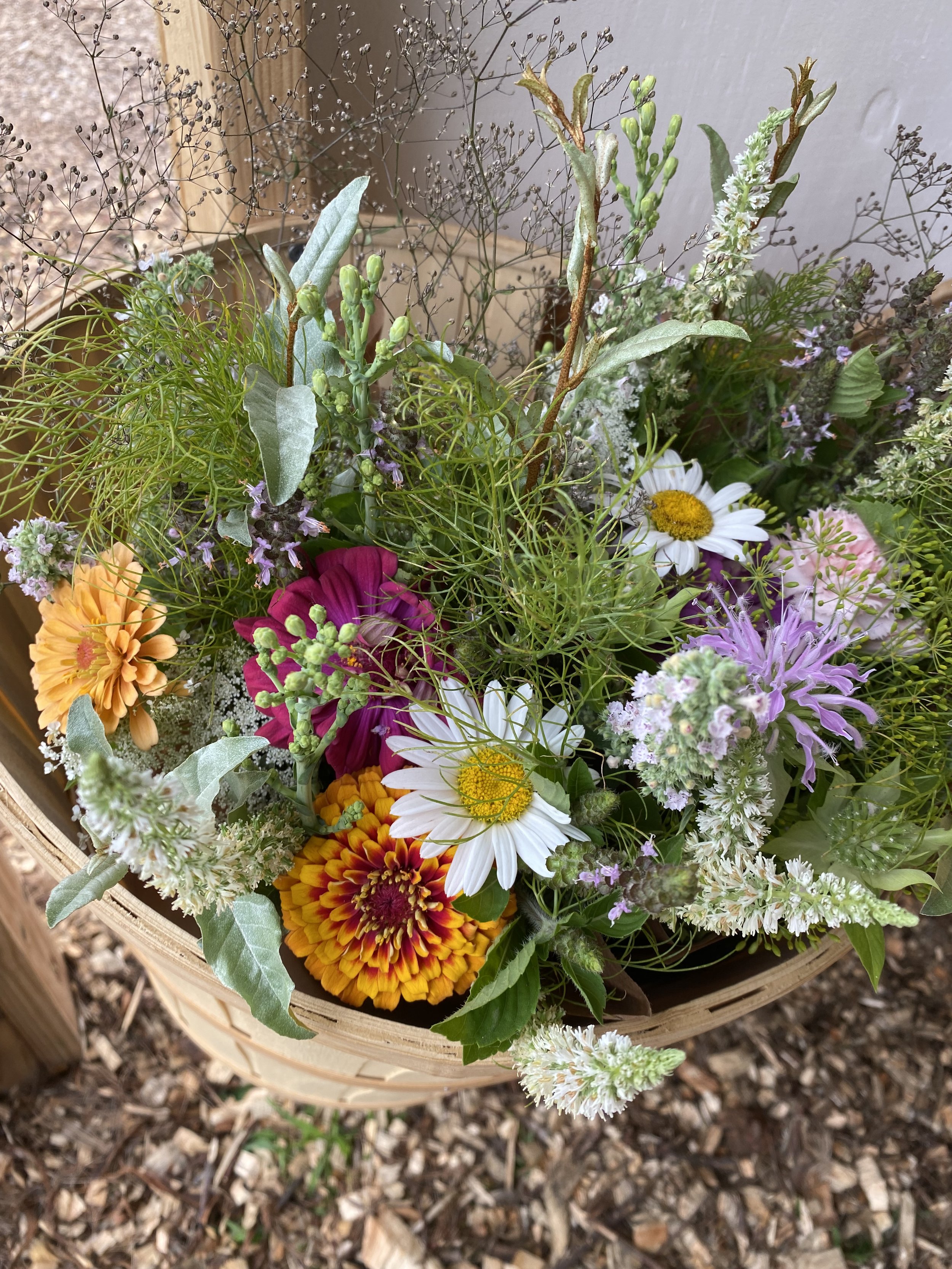
In addition to seasonal produce, the farm stand includes cut flower bouquets, organic chicken eggs, locally baked goods (including allergen-friendly options), and handcrafted herbal products made from herbs grown on the farm.
All fruits and vegetables are grown using sustainable practices and are carefully harvested by hand to ensure quality and care from soil to table. Fresh culinary herbs are also available upon request.
In the spring season, we offer vegetable starts for home gardens, supporting others in growing their own food and strengthening connection to seasonal cultivation.




Meet the ladies.
We love our chickens at the farm and consider them an extension to our family. Our flock is free range, fed organic layer grains, and pampered with love and natural care. In turn, they provide us with a bounty of eggs year round. Freshly gathered eggs are offered at the market stand in dozen and half dozen options.

The Way We Farm
At Elysian Sanctuary Farm we value organic methods and deeply resonate with sustainable farming practices, such as biodynamics and permaculture, that support the land as a living organism.
Biodynamic Philosophy
Biodynamic agriculture is a holistic approach to farming that views the farm as an interconnected living system. Developed in the early 20th century by philosopher and scientist Rudolf Steiner, biodynamic methods emphasize the relationship between soil health, plant vitality, biodiversity, and ecological balance.
At its core, biodynamics recognizes the farm as a self-sustaining organism, where soil, plants, animals, and humans all contribute to the overall health of the system. This approach focuses on building living soil through composting, regenerative practices, and attention to soil biology and fertility.
Biodynamic farming also emphasizes biodiversity through practices such as crop rotation, companion planting, pollinator support, and the integration of native and medicinal plants. These methods are designed to strengthen ecological resilience and support long-term soil and plant health.
In addition to its ecological principles, biodynamics incorporates natural cycles and seasonal rhythms in planting and cultivation practices. Some biodynamic traditions also consider lunar and seasonal timing as part of agricultural planning, reflecting an intention to work in alignment with natural cycles..
Permaculture Practices
Permaculture is a holistic approach to sustainable agriculture and land design that works with natural patterns rather than against them. It is a systems-based method of farming that emphasizes ecological balance, long-term sustainability, and thoughtful land stewardship.
In permaculture, attention is given to the natural characteristics of the land, including its topography, climate, water flow, sunlight exposure, and existing ecological relationships. These factors are used to guide how growing spaces are designed and maintained.
The goal of permaculture is to create regenerative systems that support both human needs and the health of the surrounding ecosystem. Rather than forcing the land into a fixed design, permaculture works with its natural structure and rhythms to enhance productivity, resilience, and biodiversity.
Like biodynamic farming, permaculture is rooted in organic and ecological principles. However, it places particular emphasis on functional design creating efficient, self-sustaining systems that integrate plants, water, soil, and community in mutually supportive ways.
“The conscious design and maintenance of agriculturally productive systems which have the diversity, stability, and resilience of natural ecosystems. It is the harmonious integration of the landscape with people providing their food, energy, shelter and other material and non-material needs in a sustainable way.” – Bill Mollison
Current Biodynamic and Permaculture Practices:
Garden areas and farm landscape consciously designed with seasonal rhythms and natural habitat in mind
Non-GMO and organic seed propagation
Herbal infusions for propagation and soil regeneration
Maria Thun schedule for Root, Flower, Leaf, & Fruit maintenance based on cosmic influences
Crop rotations
Companion planting
Plant biodiversity: natives, medicinal & culinary herbs, flowers, perennial and annual edible plant varieties
Aromatic herb areas
Plantings for pollinators
Ethical harvesting and foraging
Low-till to no-till practices
Biological, organic, and botanically-based pest management
Seed collecting & saving
Conscious and humane animal care
Composting
Living or botanical groundcovers
Sustainable watering practices
Observation of seasonal cycles, weather patterns, and cosmic rhythms that influence the land and soil
Listening to the spirit of the land
Observation and awareness of the farms ethical impact to the local community



History of the Farm

Voellinger Farmhouse 1950 era
The property where Elysian Sanctuary Farm is currently located was previously owned by the Voellinger Family. The Voellinger family came over from France in the mid 1800s and settled in St. Clair County, IL. Records from the St. Clair country census show the family owning upwards to 700 acres in the area. From our understanding, most of this land was originally woodland, and about 300 acres of that property was cleared with the help of hired Swiss immigrants to be cultivated into farm land. The original farm was established between 1850-1890 and was farmed for many years.
The original Voellinger Estate home was built in the mid 1800s and was renovated several times throughout the years with substantial renovations made in the 1890s, 1940s, and early 2000s. The home reflects the heritage and heart of the property, and was built according to the four cardinal directions: north, south, east, and west. Five generations of Voellinger relatives have lived in the farmhouse from that time until we purchased the property in 2020. It is our intention to honor the growing heritage of the property and to continue the homestead into the next era.
Throughout the years, many Native American artifacts were found on the property while cultivating the land. Discussions with local historians indicate the proximity of the land was once connected to the ancient Native Americans of Cahokia. The exact name is of this tribe is unknown, but many archeologists refer to them as the Mississippians, a tribe whose existence has been dated to 1000 A.D. It is assumed (due to the amount of artifacts found) that the property has had various ties to Native American culture throughout history. Typographically, the location where the farmhouse and property currently resides is elevated, and is thought to have once been a pinnacle associated with Native American culture and to be of substantial, spiritual significance.
Although there are many unknowns in the history of this land, there is a significant vibe to the property that resonates with spiritual correlation and healing. There is an intuitive pull and unique connection for many people that visit the property. We believe this is not coincidence and feel Spirit will continue to work in the hearts of people who are open and called to this land, either as patrons or personnel. Personally, we felt a deep calling to work on the property several years ago. In answering that call, this journey has led our family to discover the intense power of this land. This place is like no other, and we are extremely grateful to be the next generation of creators and collaborators.