

Growing Herbs to Support Wellness
At the heart of Elysian Sanctuary Farm is a core belief that healing is rooted in a relationship with the natural world and the intelligence of plants. Herbalism is both a guiding philosophy and a living practice at the center of the farm’s work.
Belinda is academically trained as a clinical herbalist, and she brings this foundation into both her cultivation and her therapeutic approach to plant-based care. This work bridges clinical herbal knowledge with the sensory, embodied experience of growing and working with medicinal plants directly in the garden.
Tending and working with the herbs grown on the farm is, in itself, a deeply restorative sensory experience. Alongside this, we formulate herbal preparations and products, and offer educational opportunities that explore herbal properties, energetics, and clinical aspects. These offerings are available to individuals, families, and groups seeking to deepen their understanding of plant-based wellness.

The Heart of Holistic Herbalism
Herbalism is a holistic practice that uses plants to support balance and vitality across the physical, mental, emotional, and spiritual dimensions of health.

What is Clinical Herbalism?
Clinical herbalism is a professional practice that uses plant-based medicine to support the body’s natural physiological processes. It draws from traditional herbal knowledge while integrating contemporary understanding of anatomy, physiology, and holistic health.
Rather than replacing conventional medicine, clinical herbalism is often used as a complementary approach that works alongside it. It focuses on supporting balance within body systems, addressing patterns of imbalance, and encouraging the conditions in which the body can restore and maintain its own health.
Plants contain a wide range of bioactive compounds that interact with human physiology in complex and measurable ways. In clinical herbal practice, herbs are selected and prepared based on individual needs, with consideration for energetics, safety, and therapeutic action.
At its core, herbalism invites a return to a relationship with plants, with the body, and with the processes that sustain well-being over time.
“Today herbalism is often perceived as the use of plants to treat symptoms or as a natural alternative to drugs. What few realize is that plants have traditionally been used to not just heal the body but also to assist in deeper levels of healing the mind, heart, and soul.”

Interested in Learning Herbalism?
Our herbal education offerings are guided through Belinda’s clinical herbalism training, alongside hands-on experience in medicinal plant cultivation and formulation at Elysian Sanctuary Farm. These workshops are designed to introduce individuals to the foundations of herbalism in an accessible, experiential way.
Together, we explore plant energetics, therapeutic properties, and practical applications for supporting balance and well-being of the mind, body, and spirit. Rather than separating knowledge from experience, our approach invites participants into direct relationship with the plants themselves through observation, sensory learning, and applied practice.
Rooted in time-honored traditions across cultures, herbalism recognizes plants as active participants in supporting human health. In this space, we cultivate a respectful and informed relationship with these living allies both in times of wellness and when additional support is needed.
“Using plants as medicine brings people back towards and understanding of how they, themselves, fit into the cycles of nature. Herbs are excellent adjuncts as part of a holistic program of health care, which always includes a nutritious organic diet, sufficient exercise, and time spent on some kind of spiritual pursuit. Plant medicine is part of the whole.”
— Ellen Kamhi, Ph.D., R.N., HNC
The Natural Medicine Chest

Handcrafted Herbal Products
At Elysian Sanctuary farm, we find incredible joy in the process of growing, nurturing, harvesting, and creating products and remedies with the medicinal herbs we cultivate.
We deeply resonate with this traditional and instinctual process of tending and gathering that has been practiced for thousands of years across many cultures.
This work reflects our ongoing commitment to plant-based wellness, education, and a grounded relationship with the natural world.

Our personal desire for natural remedies and therapeutic cosmetics has become the foundation for our farm-to-product approach.
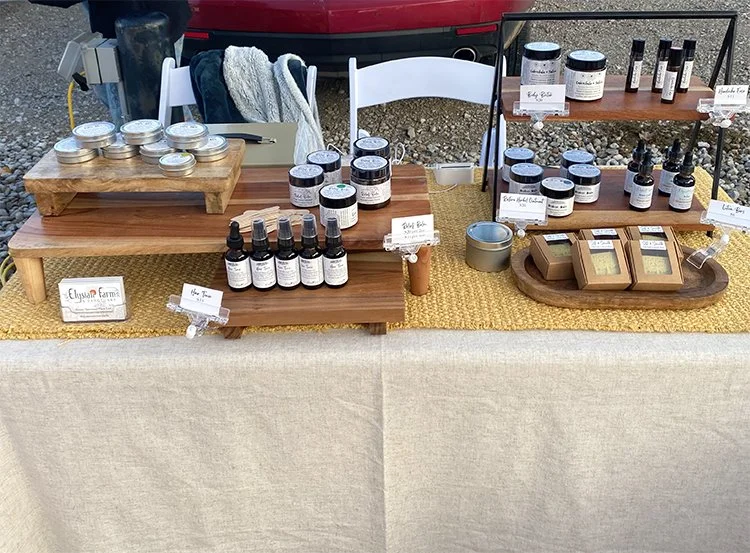
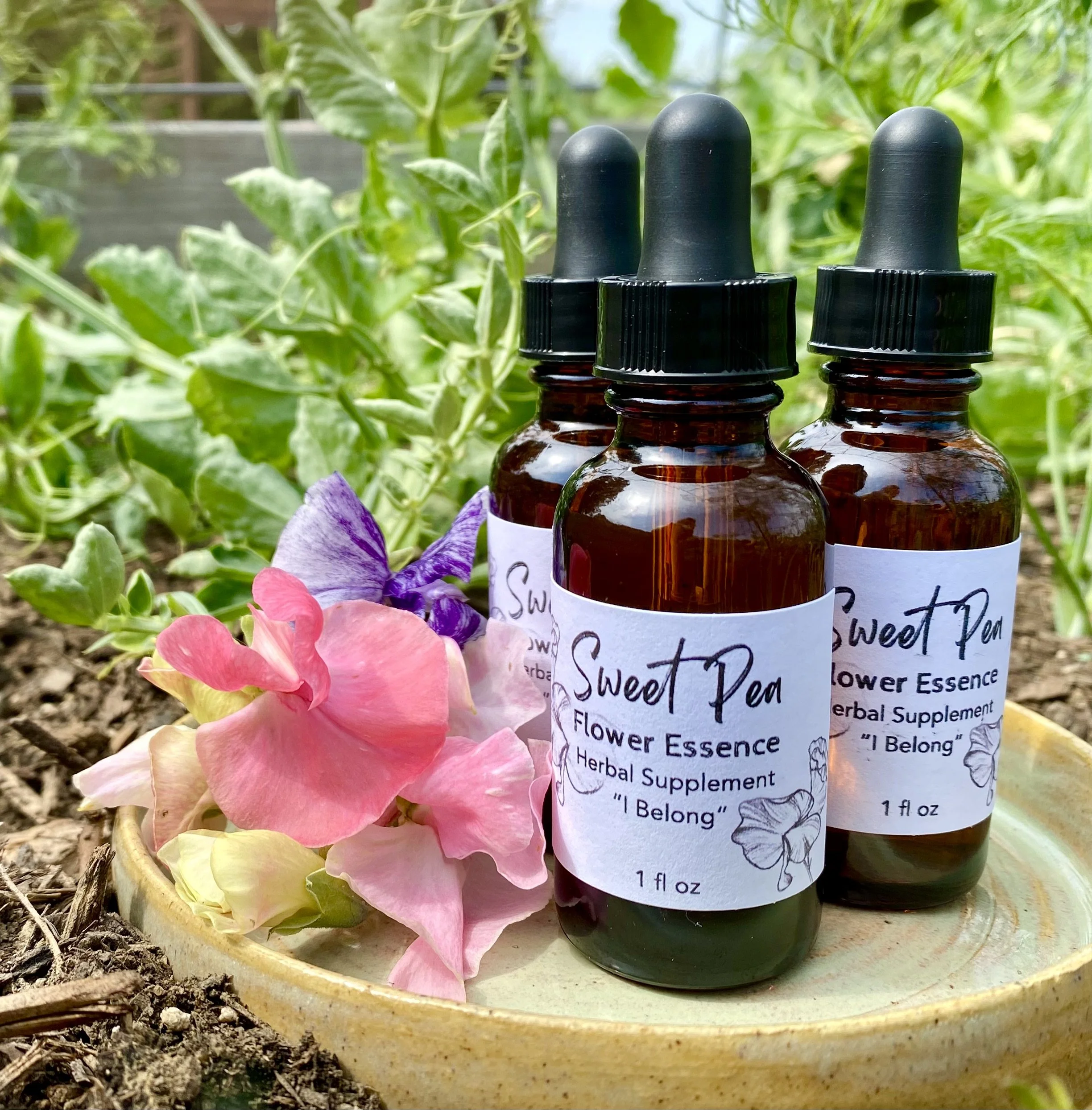
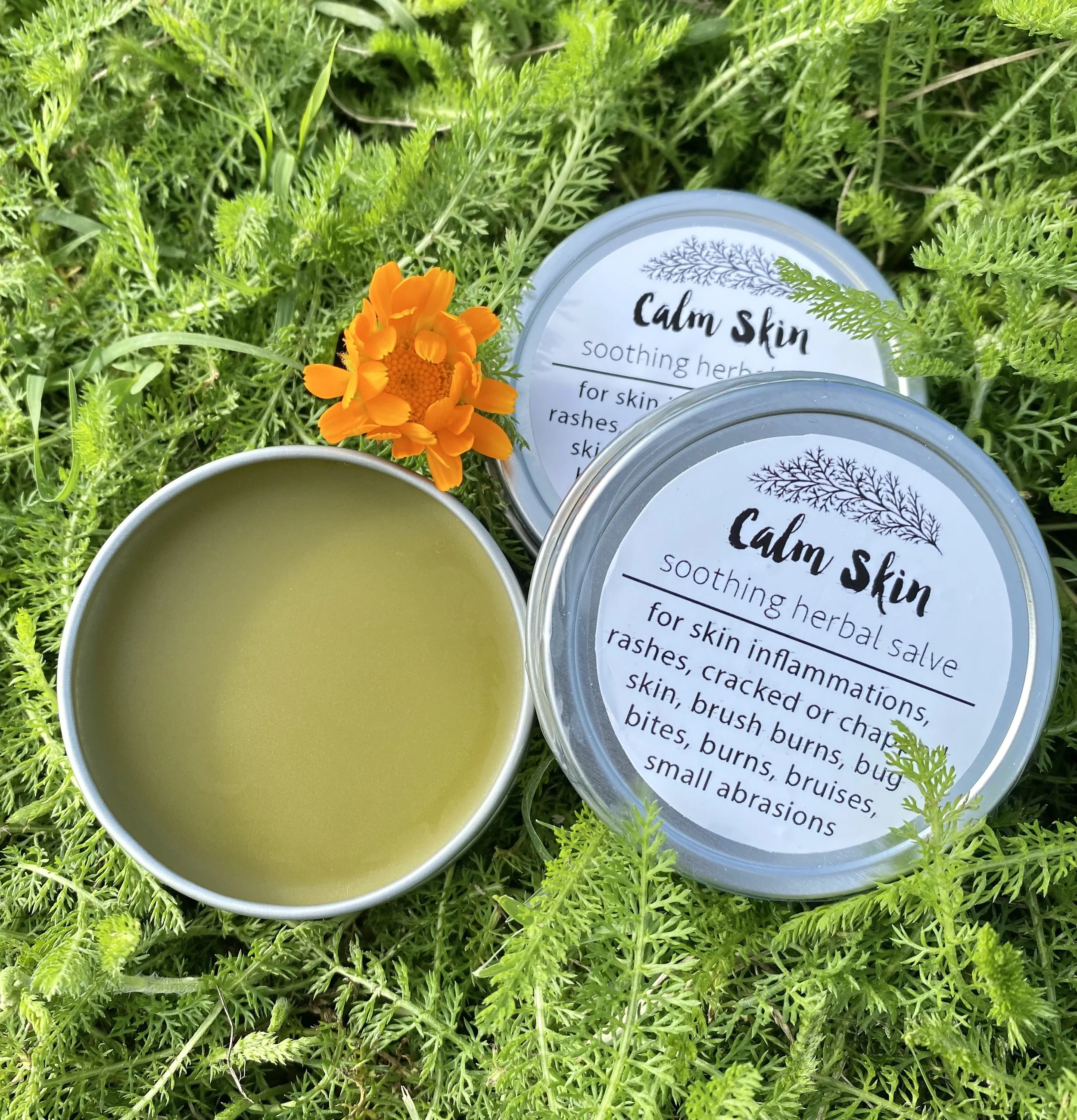
Many of the herbs we grow on the farm are harvested and processed by handcrafted methods to produce soaps, salves, balms, infused oils, tinctures, flower essences, and more. We only use herbs that are either organically grown on our farm or are sustainably grown on like-minded farms.
Our products can be purchased locally at various retail establishments, directly from our farm, and at different vendor venues.
Our practice of holistic herbalism has been an intimate path due to personal health challenges within our family. It has been an essential part of our lifestyle for over a decade, and we have experienced first hand the power of these plants and the various benefits of their energetics and medicinal wisdom.
Our knowledge of herbs has not just come from personal experience, but from learning plant medicine under many professional and renown herbalists in the field of herbalism and in association with the American Herbalist Guild. We believe it matters where one is taught herbalism and by whom, as preservation of correction information is essential for the future of herbalism.
*Herbal information provided on this site and through workshops is purely for educational purposes only; it is not intended to treat or cure any health issue, promote self diagnosing, or replace advice or care from a professional health care practitioner.
